Ultimate Backpack for Every Adventure in Central Oregon
Table of Contents
Living in Bend creates a unique problem. Your garage inevitably turns into a gear locker. You have your winter kit for Bachelor. Your river kit for the Deschutes. Your dirt kit for the Badlands.
But nothing clutters a closet (or drains a bank account) faster than backpacks.
We tend to buy a different bag for every single activity. You grab a lightweight hydration pack for Smith Rock. You buy a heavy hauler for a multi-day trek in the Sisters. Then you need something sleek for a work session at the coffee shop.
After years of testing gear in the high desert, I’ve realized that while you can’t have one bag for everything, you can get smarter about what you carry. You need gear that matches the specific demands of the environment.
Here is your guide to choosing the right pack for every adventure Central Oregon throws at you.
Hiking Backpacks
When you are hitting Pilot Butte for a quick sunset lap or scrambling up Misery Ridge, you don't need a massive expedition pack. You need agility. However, the high desert environment throws a curveball: extreme dryness and temperature swings.
The Priority
Hydration and Layering Space - The air here sucks the moisture right out of you. A standard school backpack won't cut it because it lacks a dedicated hydration system. You need a pack with a sleeve for a 3-liter bladder. You do not want to be fumbling with water bottles when you are navigating loose volcanic scree.
What to look for
Suspended Mesh Back Panels
In July, the sun is relentless. A pack that sits flush against your back will leave you soaked in sweat. Look for "trampoline style" suspension that creates an air gap between the bag and your shirt.
The "Shove-It" Pocket
This is an expandable mesh pocket on the front of the pack. It is essential in Oregon. You start hiking at 40 degrees and end at 80 degrees. You need a place to instantly shove your shed layers without opening the main compartment.
Hip Belt
Even with a light load, a hip belt is non-negotiable. It keeps the pack from bouncing around when you are jumping off rocks or moving fast.
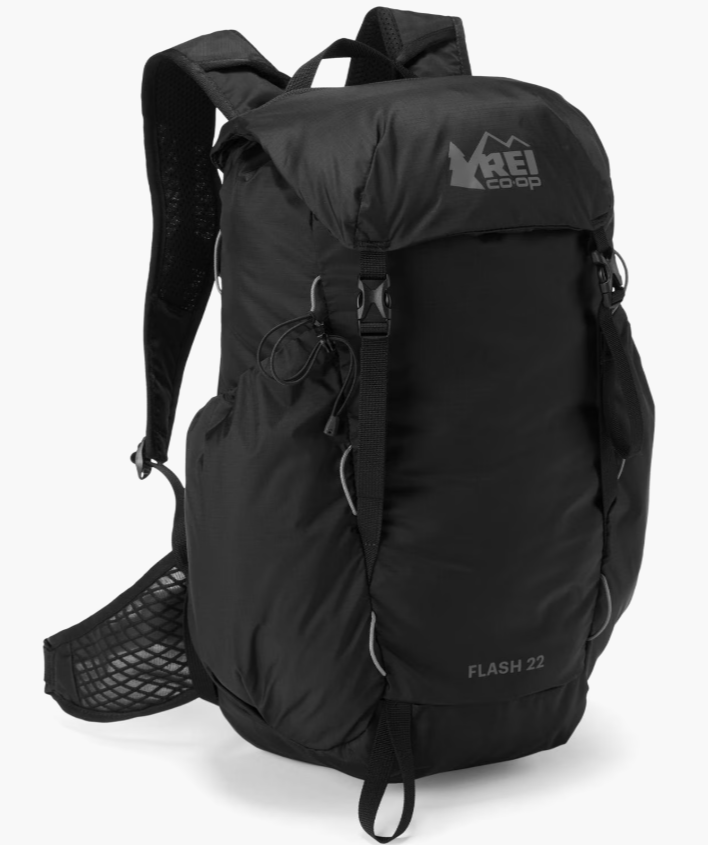
Brands we love include: Osprey, Deuter & REI backpacks!
Backpacking Packs
This is for the serious trips. We are talking about the Timberline Trail or a weekend deep in the Three Sisters Wilderness. You are carrying your house on your back, and comfort is the only thing that matters.
The Priority
Weight Transfer and Structure - Ultralight frameless bags are trendy right now. But if you are carrying 35 pounds of water, food, and a tent, a frameless bag will hurt. The volcanic terrain here is uneven. You need a pack with a rigid internal frame that transfers weight directly to your hips and off your shoulders.
What to look for
Bear Canister Compatibility
If you camp in the wilderness areas around here, bear cans are often required or highly recommended. Many narrow packs cannot fit a Garcia or Bear Vault horizontally. Make sure your pack body is wide enough to swallow one.
Adjustable Torso Length
Fit is everything. If the torso length is off by an inch, you will have bruised hips by mile ten. Look for brands that allow you to adjust the yoke height.
Floating Top Lid
Known as the "brain," this lets you overstuff the bag. When you are heading out heavy on day one with fresh food and a celebratory beverage, you need that vertical expansion.
Camping Backpacks
Camping isn't a single activity. Your gear needs change drastically depending on how far you are parking from the fire pit.
Car Camping
You pulled the F-150 right up to the campsite. Weight is irrelevant here.
The Pick
A heavy-duty, weather-resistant duffel (60L+).
Why
You want a massive "D-shaped" opening. You shouldn't have to dig through a narrow hole to find your puffy jacket or headlamp. A duffel lets you see everything at once. It just needs to be tough enough to get thrown in the truck bed or sit in the dirt without absorbing moisture.
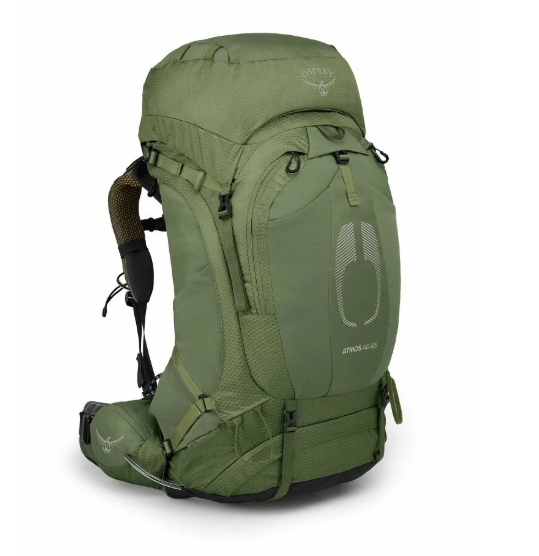
We love the Atmos AG 65 from Osprey
Tent Camping (Walk-In)
Maybe you are at a designated site like Little Crater Lake where you park and walk 50 yards. You aren't hiking miles, but you can't carry loose items.
The Pick
A structured open-top tote or haul bag.
Why
You need to carry firewood, a bag of charcoal, and food in one trip. Structured haul bags stand up on their own, which makes loading and unloading a breeze. They are the unsung heroes of family camping.
Glamping
You rented a yurt or a cabin at Elk Lake. You want the outdoor experience with indoor comfort.
The Pick
A weekender travel bag or high-end backpack.
Why
This is about organization. You want separate compartments for clean clothes, toiletries, and muddy boots. Since you are staying in a confined space, you want a bag that keeps your gear organized so you aren't spreading your clothes all over the cabin floor.
The Motorcycle Ride
Riding in Central Oregon is world-class. But whether you are cruising the Cascade Lakes Highway or commuting to work, standard backpacks are terrible on a bike. They flap in the wind, drag on your shoulders, and throw off your balance.
The Priority
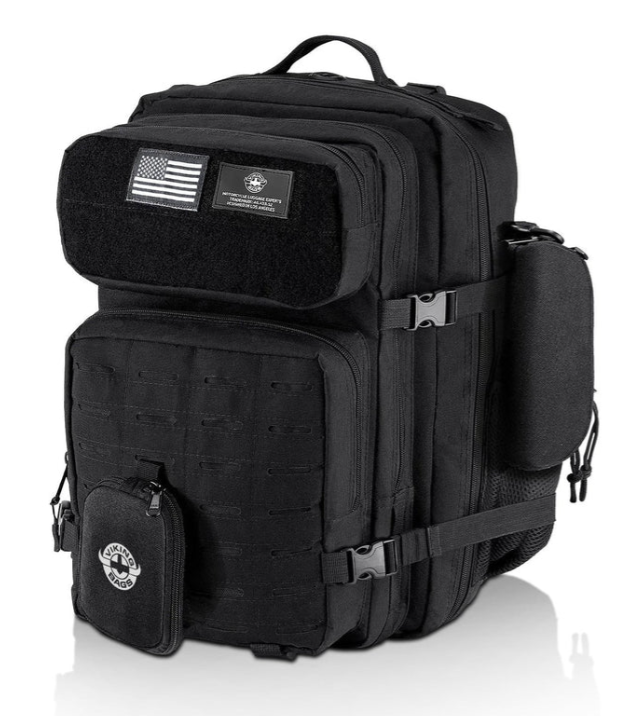
Aerodynamics and Mounting Options - I recently started using the Viking Tactical Extra Large Motorcycle Backpack, and it solves the specific problems riders face. It bridges the gap between luggage and a backpack.
Why it works for riders:
The Sissy Bar Mount
This is the killer feature. The back panel slips right over a sissy bar. This gets the weight off your body entirely. You can ride for hours without fatigue, but as soon as you park, you slide it off and wear it like a normal pack.
Rigid Aerodynamics
Unlike a hiking pack, this bag holds its shape even when empty. It doesn't deflate or flap around when you hit highway speeds. It cuts through the wind rather than acting like a drag chute.
External Expansion
It features MOLLE webbing on the front. This is huge for long rides. You can strap on a fuel bottle, a tool roll, or a first aid kit to the outside, keeping the inside free for your clothes and tech.
The Shooting Range
Finding a good range bag is surprisingly difficult. Duffel-style bags get incredibly heavy on one shoulder and are awkward to carry if you have a long walk from the parking lot. Standard hiking backpacks are even worse—they turn into a black hole where ammo and magazines disappear forever.
The Priority
Organization and Weight Management - The Savior Equipment Specialist Backpack is the industry standard for a reason. It isn't just a backpack; it’s a filing cabinet for your firearms.
Why it’s the best in class
The "Library" System
The main compartment doesn't just hold guns; it features a rigid rack system that holds three individual cushioned pistol cases vertically. You slide them out like books from a shelf. This keeps your firearms completely protected from scratching each other.
Built for Lead
Ammo is dense. A standard hiking bag will sag or tear if you load it with 500 rounds of 9mm. This bag is built with a rigid internal frame and heavy-duty 600D polyester that holds its shape, even when fully loaded. It stands up on the bench on its own.
The "Admin" Panel
The front pocket folds down to reveal dedicated elastic slots for magazines. You can visually check that you have all your mags before you leave the house—no more showing up to the range and realizing you left them on the workbench.
Lockable Security
Unlike a repurposed North Face bag, every compartment on the Savior has lockable zippers, making you compliant with transport laws immediately.
The Digital Nomad
Bend is a remote work hub. If you walk into Thump or The Commons on a Tuesday, you will see an army of laptops. But outdoor bags make terrible office bags. Straps get caught on chairs, and they lack protection for sensitive electronics.
The Priority
Tech Protection and Slim Profile - You aren't worried about rain or bears here. You are worried about dropping your MacBook on the concrete floor.
What to look for
Suspended Laptop Sleeve
This is the most important feature. The laptop pocket should stop an inch or two above the bottom of the bag. If you set the bag down hard, your computer should never touch the ground.
Cord Management
You need dedicated spots for chargers, dongles, and hard drives. If everything is loose in the bottom, you will spend the first ten minutes of your work session untangling a rat's nest of cables.
Urban Aesthetics
Keep it slim. A massive hiking bag knocks over coffee cups in a crowded shop. You want something with a low profile (20 liters or less) that slides easily under a table.
Don't just buy a bag because it looks cool or is on sale. Think about the mission.
Are you hauling lead to the range? Get a rigid tactical bag like the Viking that can take the abuse. Are you disappearing into the wilderness? Get a suspension-focused hauler that saves your back.
The right gear disappears when you use it. The wrong gear makes you miserable. Choose wisely.